

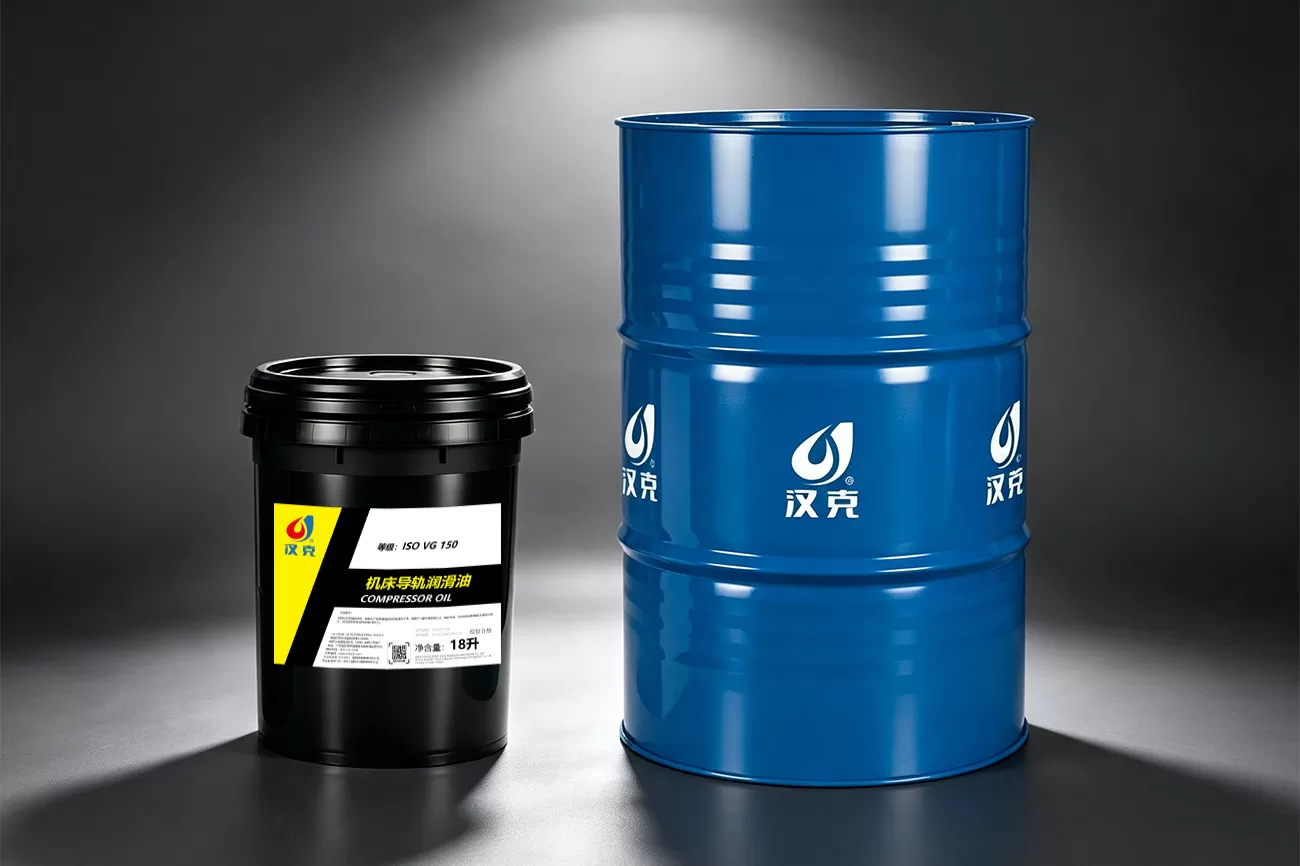




Metal rust has always been a persistent pain in manufacturing and warehousing. Whether precision components, molds, cutting tools, or large mechanical equipment, once eroded by moisture, salt spray, or acid-base environments, they may rapidly oxidize—affecting appearance in mild cases, or causing precision failure and equipment scrapping in severe cases, bringing incalculable economic losses. Among numerous rust prevention solutions, rust preventive oil has always held an irreplaceable core position thanks to its advantages of simple application, uniform film formation, and reliable protection. Today, we focus on the Hank metal rust preventive oil BS-400 series, bringing you a comprehensive and in-depth technical analysis covering principles, performance, applications, and usage details, helping you truly achieve "worry-free rust prevention."
I. What Is the Hank BS-400 Series?
Hank Metal Rust Preventive Oil BS-400 Series is a high-performance rust preventive oil product specially designed for surface protection of ferrous and non-ferrous metals. This series adopts imported refined base oils and a composite rust preventive additive system, forming a dense molecular adsorption film through scientific formulation, which can effectively isolate moisture, oxygen, and corrosive media from direct contact with metal surfaces, thereby achieving long-term stable rust protection.
Unlike ordinary rust preventive oils, the BS-400 series fully considered the complex working conditions of industrial sites during the early stage of development, balancing four core indicators: "rust prevention", "oil film thickness", "ease of cleaning", and "compatibility with subsequent workpiece processing". It can be used for short-term rust prevention between processes as well as long-term preservation rust prevention for finished products. Some models also offer certain lubricity and penetrability, truly achieving one oil with multiple uses.
II. Rust Prevention Principle: More Than Just a Layer of Oil
The rust prevention mechanism of the BS-400 series can be summarized as a three-layer protective barrier:
First Layer: Displacement and Dehydration. After cleaning or processing, metal surfaces often retain a water film or trace moisture. The BS-400 series contains special polar groups that preferentially adsorb onto metal surfaces, displacing water molecules and establishing a strong chemical adsorption layer between the metal and the oil film, eliminating the fundamental conditions for electrochemical corrosion at the source.
Second Layer: Dense Oil Film Shielding. Additive molecules align directionally on the metal surface to form a nano-scale dense oil film. This oil film has excellent continuity and self-repairing properties. Even if locally damaged by minor external forces, free rust preventive molecules can quickly migrate to the damaged area for repair, ensuring the integrity and long-lasting effectiveness of the shielding layer.
Third Layer: Neutralization and Passivation. The alkaline corrosion inhibitors in the BS-400 series can neutralize acidic gases deposited from the environment (such as SO₂, CO₂, etc.) and produce a passivation effect on metal surfaces, significantly reducing the activity of corrosion micro-cells. It is particularly suitable for use in environments with heavy industrial atmospheric pollution.
III. Core Performance Advantages of the BS-400 Series
1. Ultra-long Rust Prevention Period
Verified by standard salt spray tests and humid heat tests, the BS-400 series can achieve a rust prevention period of 12 to 36 months under indoor storage conditions. Some models, after thorough cleaning and with dry packaging, can even achieve a rust prevention period of over 5 years. This provides reliable protection for metal products for export shipping or long-term warehousing.
2. Excellent water displacement and fingerprint neutralization performance
The BS-400 series offers outstanding water displacement capability, rapidly penetrating deep holes, blind holes, seams, and other complex areas of workpieces to completely expel residual moisture. It also provides a certain fingerprint-neutralizing effect: even if operators leave fingerprints on workpieces with bare hands, the neutralizing agents in the rust-preventive oil break down salts and organic acids in sweat, preventing fingerprint corrosion.
3. Thin, transparent oil film allows packaging without secondary processing
Conventional rust-preventive oils often leave an excessively thick film that attracts dust and affects appearance. The BS-400 series uses carefully selected low-viscosity base oils to achieve a uniform, controllable film thickness; once dry, the surface is smooth and transparent, non-tacky, and drip-free, so workpieces can be labeled and boxed directly, or even proceed straight to subsequent assembly processes without additional cleaning, greatly improving production efficiency.
4. Environmental compliance and safety
All components comply with RoHS and REACH environmental regulations, contain no heavy metals such as barium, lead, or cadmium, and are free of harmful aromatic hydrocarbon solvents. The products have passed SGS testing and feature a high flash point for safer use. In addition, the BS-400 series offers good biodegradability and low waste-oil disposal costs, in line with the modern trend toward green manufacturing.
5. Compatibility with a wide range of metals
Whether carbon steel, cast iron, alloy steel, galvanized sheet, aluminum, copper, or copper alloys, the BS-400 series provides effective rust protection. It is particularly suitable for overall rust protection of mixed-metal assemblies, avoiding the risk of galvanic corrosion between dissimilar metals.
IV. Main models and application scenarios of the BS-400 series
The Hank BS-400 series is not a single product but is divided into multiple specifications based on rust protection duration, oil film state, and operating environment, helping users precisely match their needs.
BS-401 Standard Anti-Rust Type: Suitable for inter-process rust prevention and short-term storage of machined parts, molds, measuring tools, and cutting tools. Typically provides an effective indoor rust prevention period of 6 to 12 months. Its low-viscosity formula offers good penetration, making it suitable for dip treatment of workpieces with complex shapes.
BS-402 Long-Term Preservation Type: Suitable for finished products, spare parts, bearings, hydraulic components, and other metal products requiring long-term preservation. Effective rust prevention period of 12 to 36 months, with moderate oil film thickness, strong protective performance, and easy removal by cleaning with petroleum solvents.
BS-403 Ultra-Thin Soft Film Type: Its most prominent feature is an extremely thin, moist, and supple oil film. Using a special solvent carrier, it forms a nearly transparent soft film after evaporation. It provides approximately 6 months of rust protection while offering excellent lubricating performance, suitable for precision assembly parts and applications requiring direct lubrication.
BS-405 Water-Based Displacement Type: Specially designed for workpieces after electroplating, phosphating, and blackening. It can instantly displace residual moisture and rapidly form a stable oil film. Suitable for pre-drying treatment after final cleaning, effectively inhibiting the formation of white rust and yellow rust.
V. Correct Usage Methods and Tips
To achieve the best anti-rust performance from the BS-400 series, attention to detail during use is crucial.
1. Surface Pretreatment
Anti-rust oil cannot replace cleaning. Before oil application, the workpiece surface should be free of oil stains, chips, welding slag, old rust, and salt residues. Ultrasonic cleaning with water-based cleaners or hydrocarbon cleaners is recommended, followed by thorough drying. If flash rust is already present on the surface, it is advisable to treat it with a rust remover first; otherwise, it will significantly affect oil film adhesion and the rust prevention period.
2. Application Methods
Dip Method: Suitable for large batches of small parts. Immerse in anti-rust oil using a mesh basket, ensuring complete submersion and raising/lowering several times to expel air. The oil temperature is recommended to be controlled at 40 to 60 degrees Celsius, which reduces viscosity and improves penetration.
Spraying method: Suitable for large workpieces or components that are inconvenient to dip. Use a spray bottle or automatic spraying line, keeping a uniform distance and spraying evenly to avoid localized oil accumulation. Key areas such as blind holes and grooves should receive extra spraying.
Brushing method: Suitable for local rust prevention or field operations. Use a soft-bristled brush to apply evenly, taking care not to miss edges, corners, and weld seams.
3. Packaging and Storage
After the workpiece is oiled, wait for the oil film to level naturally and the solvent to fully evaporate before packaging. It is recommended to use rust-preventive paper, VCI (vapor corrosion inhibitor) bags, or PE film for sealed packaging to isolate the external environment. The storage environment should be kept dry and ventilated, avoiding direct sunlight and rain. Warehouse relative humidity should be controlled below 70%, and temperature changes should not be drastic to prevent condensation.
4. Usage Cycle Monitoring
Even with high-quality rust-preventive oil, the rust prevention effect should be periodically spot-checked. For products stored long-term, it is recommended to perform a visual inspection every 3 months. If the oil film turns white, blisters, or slight rust spots appear, remedial measures should be taken promptly, such as re-coating or re-cleaning and replacing the oil.
VI. Common Questions and Misconceptions
Q: Can workpieces coated with BS-400 still be directly welded or painted?
A: Not recommended. Residual rust-preventive oil will affect welding quality and coating adhesion. For areas to be welded, the oil film should be thoroughly removed with a degreaser before welding. For workpieces to be painted, a cleanable rust-preventive oil should be selected, and degreasing should be performed before painting.
Q: Which is better, the BS-400 series or VCI materials?
A: Both have their advantages. Vapor-phase rust preventive materials are suitable for overall protection of irregular workpieces in enclosed spaces, but are greatly affected by packaging damage. Rust preventive oil is more reliable and durable, suitable for metal parts with high surface quality requirements that need long-term fixation. In practical applications, the two can be used in combination to achieve dual protection.
Q: Why does a white substance appear on the surface of workpieces after they have been oiled and left for a period of time?
A: This situation is mostly a "blooming" phenomenon, which may be caused by high ambient humidity causing additives in the rust preventive oil to absorb moisture and precipitate, or by residual alkaline cleaner on the workpiece surface reacting with the rust preventive agent. The solution is to strictly control drying after cleaning, select the appropriate model, and keep the storage environment ventilated and dry.
Q: Can the BS-400 series be used on copper and aluminum?
A: Yes. The BS-400 series formula does not contain corrosive elements such as active sulfur and chlorine, and is neutral to copper, aluminum and their alloys. However, note that rust preventive oil cannot completely prevent copper from oxidizing and discoloring in humid environments. If copper parts need to remain bright, it is recommended to use a dedicated copper corrosion inhibitor or sealing agent.
VII. The Value and Market Recognition of the Hank BS-400 Series
In the rust preventive oil market where product homogenization is severe, why does the Hank BS-400 series win user favor? The answer lies in its ultimate pursuit of "stability" and "efficiency."
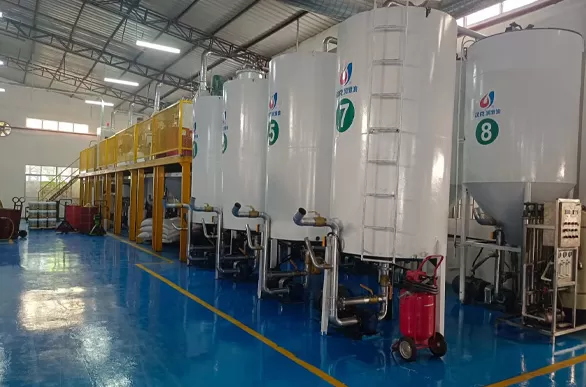
On the raw material side, the BS-400 series uses composite additives from international high-quality additive suppliers, and the formula has undergone reliability testing for as long as two years to ensure consistent performance of every batch. In terms of production processes, the Hank factory has introduced a strict online quality control system; the viscosity, acid value, flash point, and rust prevention performance of each batch must pass standard salt spray test verification before leaving the factory.
In actual customer feedback, after an auto parts manufacturer used BS-402 to replace its original rust preventive oil, the workpiece re-rust rate dropped from 3.2% to within 0.1%, and the storage period was extended from 6 months to 24 months. At the same time, because the oil film is easy to clean, the assembly line did not need additional cleaning processes, and overall costs dropped by about 18%. Another precision mold company used the BS-403 ultra-thin soft film type and not only was satisfied with the rust prevention effect, but also found that its excellent permeability significantly improved the initial assembly lubrication effect of the mold's sliding parts, achieving two benefits at once.
VIII. Industry Trends and the Future of the BS-400 Series
With the deepening of smart manufacturing and green environmental protection concepts, rust prevention technology is evolving toward low VOC, high performance, and intelligent solutions. The Hank BS-400 series has already positioned itself ahead of the curve, significantly reducing volatile organic compound emissions while maintaining efficient rust prevention, and is exploring the development of biodegradable rust preventives.
In the future, Hank will also launch an IoT-based intelligent rust prevention monitoring system. By integrating micro-sensors within packaging, it will collect real-time temperature, humidity, and corrosion rate data, and push early warning information to users via a mobile app. This concept aligns closely with the precision protection philosophy of the BS-400 series and will drive industrial rust prevention from "passive response" to "proactive prevention."
IX. Practical Tips
1. For summer application, avoid working under the midday heat. Choose early morning, evening, or air-conditioned workshops to prevent rapid solvent evaporation that can cause uneven oil films.
2. When stored in extremely cold environments, rust preventive oil may thicken. Before use, it can be heated until it flows freely without affecting its performance.
3. Unused rust preventive oil after opening the drum should be immediately sealed with a lid to prevent solvent evaporation and moisture ingress.
4. For overseas export products with extremely high rust prevention requirements, it is recommended to conduct neutral salt spray test sampling before packing to ensure suitability for actual transportation environments.
5. Do not mix rust preventive oils from different brands, as additive systems may conflict and reduce rust prevention capability.
X. Conclusion
"Rust-Free Assurance" is not just a slogan—it is a solemn commitment from the Hank Metal Rust Preventive Oil BS-400 series to every user. From process protection of precision micro-shafts to long-term preservation of mining machinery weighing several tons, the BS-400 series quietly safeguards every detail of metal workpieces with deep technical expertise and rigorous quality control. Choosing the BS-400 series means choosing reliability and peace of mind. On this endless road of metal protection, Hank will always walk with you—so that corrosion is no longer a pain point in production, and high-quality metal products reach the world in their most perfect condition.
Whether you work in machining, automotive parts, hardware tools, powder metallurgy, or metal surface treatment, the Hank Metal Anti-Rust Oil BS-400 series can provide a tailored anti-rust solution for you. Don't let corrosion damage the results of your hard work any longer—contact our technical specialists today for free sample trials and technical support!