


The Truth About Traditional Engine Wear
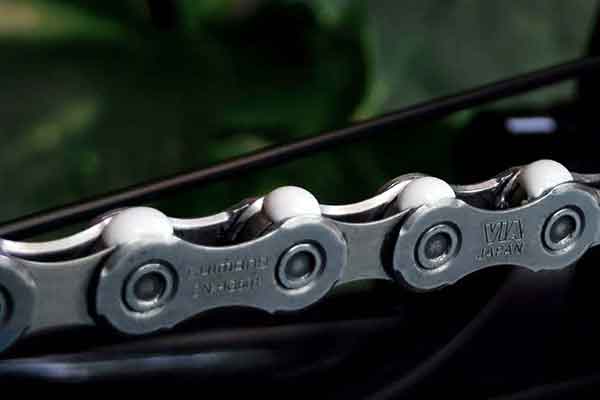
When an engine runs, high-speed friction between metal parts is unavoidable. Even with a lubricating oil film present, scenarios such as cold starts, high temperatures and pressures, and aggressive driving can still cause the oil film to rupture, leading to direct metal-to-metal contact and the generation of fine wear debris. Over time, the fit clearances between the cylinder block, pistons, and bearing shells widen; behind the drop in power and rise in fuel consumption lie precisely these invisible microscopic damages. Traditional lubricants can only slow wear as much as possible, but cannot truly prevent wear from occurring.
The Core Principle of Nano Black Technology
The breakthrough of UK Hank Oil stems from its in-depth application of nanomaterials. Its R&D team disperses special nano-scale inorganic particles in base oil. These particles are smaller than traditional oil film molecules and can penetrate into the uneven micro-cracks and machining marks on metal surfaces. Under the high temperature and pressure generated by friction, the nanoparticles undergo physical adsorption and chemical bonding with the metal surface, forming a dense ceramic-metal composite protective layer. This protective layer is not only far stronger than ordinary oil films, but can also self-repair local damage, keeping the friction pair in a smooth state at all times.
How Hank Oil Achieves "Zero" Wear
The so-called "zero" wear does not mean absolutely no loss, but rather that the amount of wear is so low it can be ignored, even beyond the resolution limit of traditional testing instruments. Hank Oil's nano protective layer converts sliding friction into an extremely low-resistance state similar to rolling friction, while greatly reducing the friction coefficient. In bench tests, after hundreds of hours of continuous full-load operation, the crankshaft and bearing shell surfaces of engines using Hank Oil still maintained a mirror-like luster, with almost no scuffing marks from direct metal contact to be found. This effect allows the engine to quickly complete surface leveling during the break-in period, and thereafter maintain optimal fit precision.
Astonishing Performance in Practical Applications
After switching to Hank Oil, the most intuitive feeling for many car owners is a marked reduction in engine noise, no more steering wheel vibration at idle, and lighter, more responsive throttle. Long-term data monitoring shows that oil consumption is significantly reduced, and the particulate matter and hydrocarbon content in exhaust emissions also decrease accordingly. For older vehicles with over 100,000 kilometers on the odometer, Hank Oil's nano repair capability is especially evident—engines that previously burned oil maintain stable oil levels after two consecutive oil change cycles, with power restored to near-new-car levels. This ability to repair problems at the microscopic scale is precisely what traditional lubricants cannot achieve.
Quality Assurance from Laboratory to Driver's Cabin
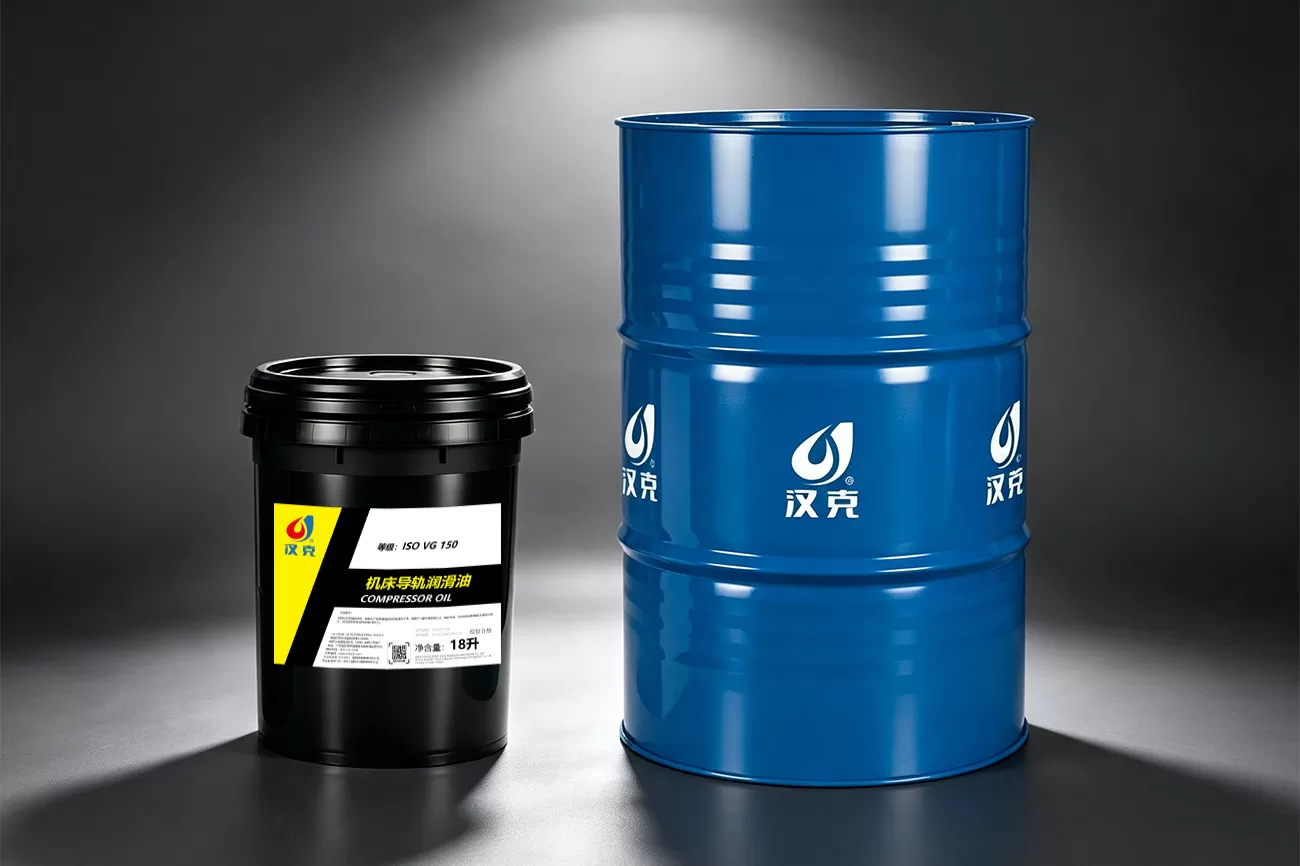
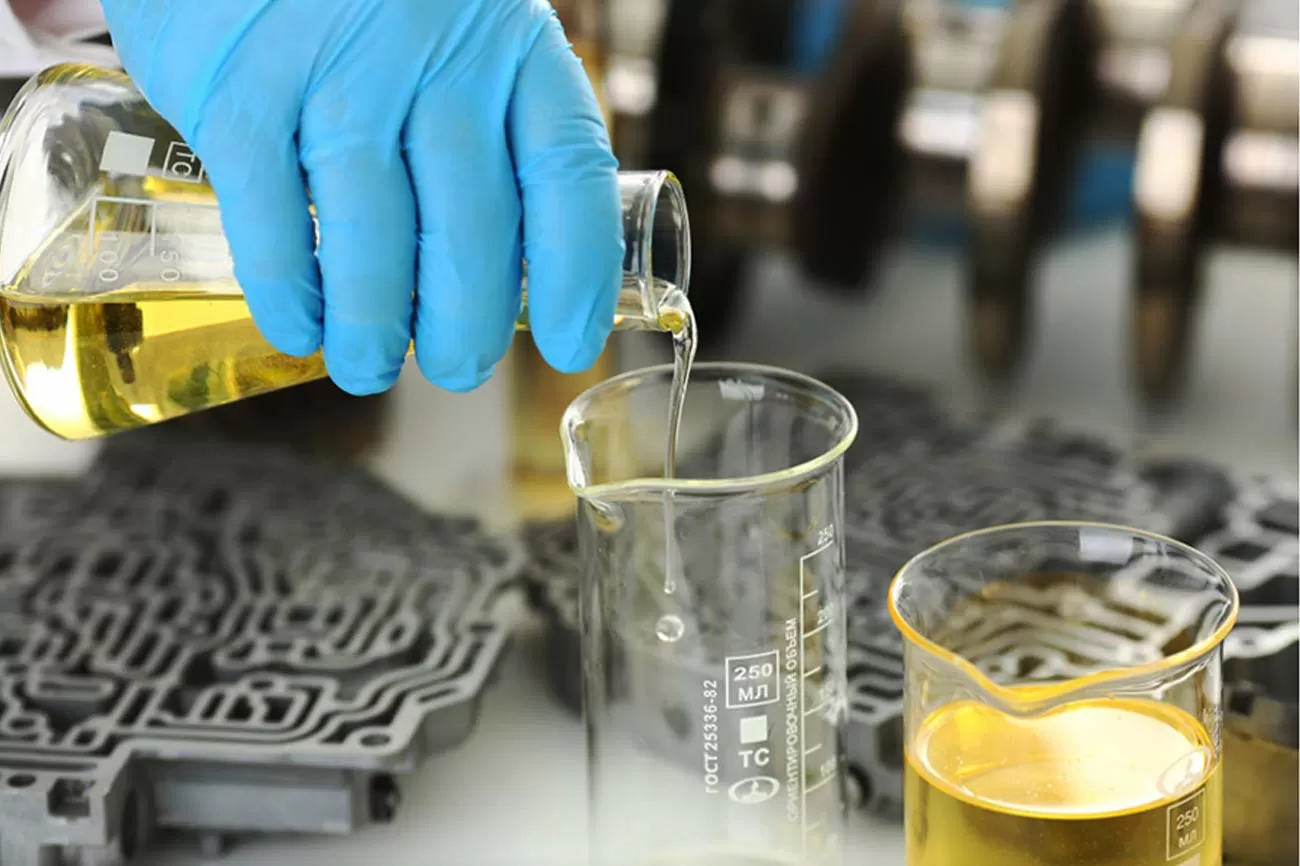
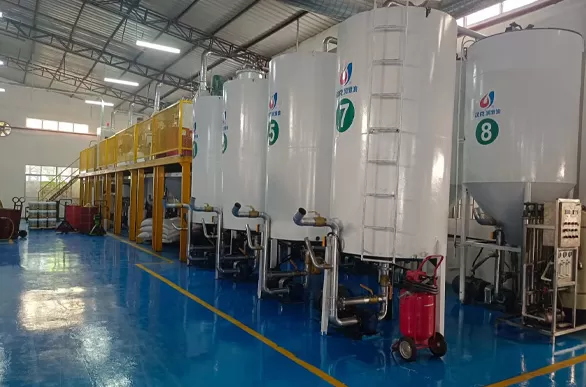
Every bucket of UK Hank Oil product undergoes strict quality control, from the viscosity index of the base oil to the particle size distribution of the nano additives, all tested with precision instruments. Its technical team has publicly released multiple wear test reports issued by third-party institutions, with data clearly demonstrating the stability of the nano protective film under extreme operating conditions. More importantly, Hank Oil's formula is compatible with the vast majority of passenger and commercial vehicle engines on the market, and can be added directly without additional flushing. For those pursuing ultimate engine longevity and driving experience, it offers not just a lubricant, but a proactive microscopic engineering solution.