

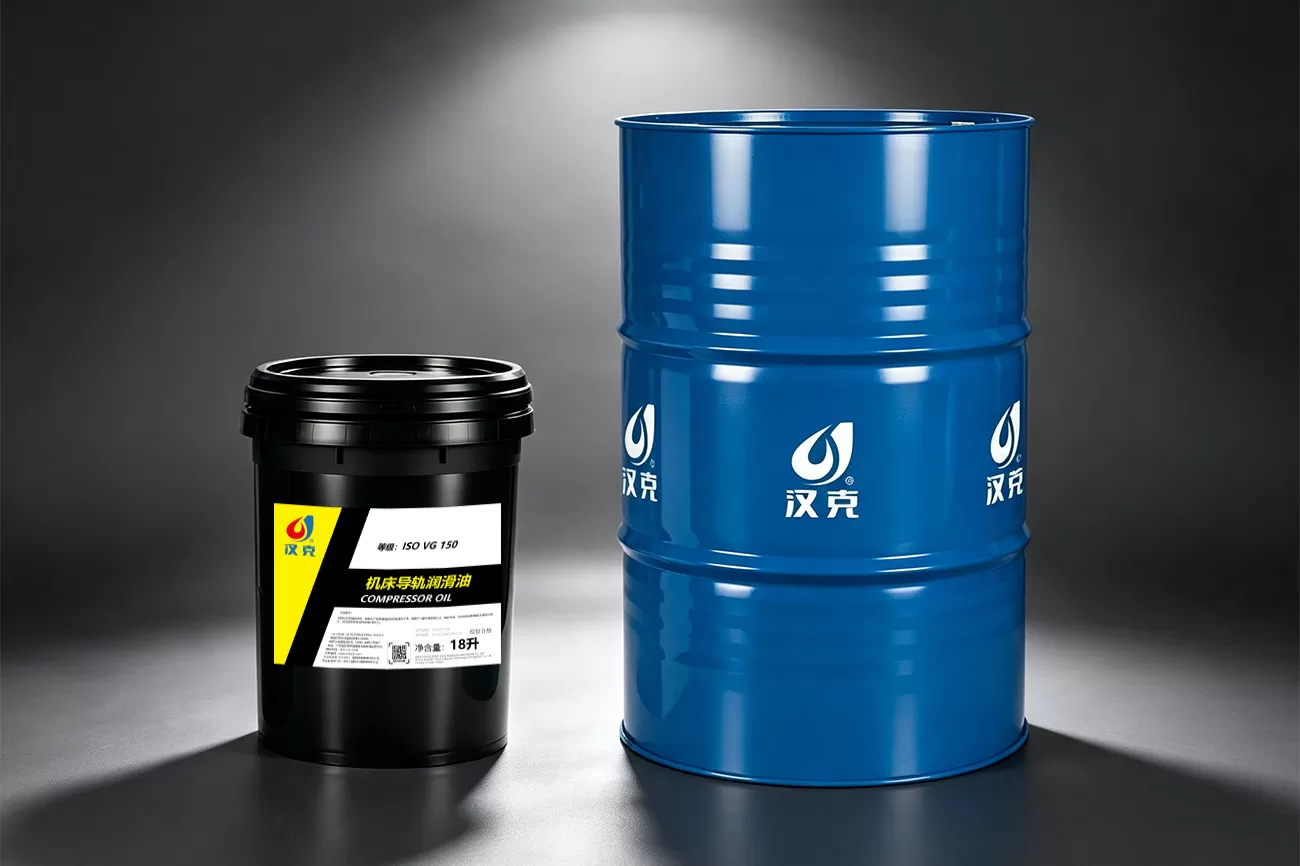


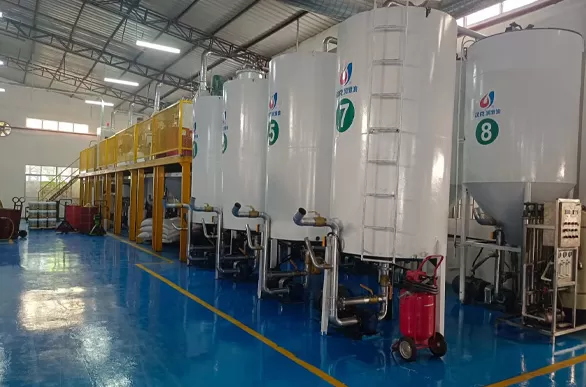

As the global shipping industry accelerates toward a low-carbon future, conventional marine lubricants are facing unprecedented environmental pressure and performance challenges. Ships sail long-term through complex waters, and shaft systems bear enormous torque and friction losses; they must meet increasingly stringent emission regulations while ensuring reliable and efficient power transmission. Hank shaft oil keenly grasps this industry pain point, using innovative technology to break the old perception that "environmental protection must sacrifice performance," making green lubrication truly land on the vast waves.
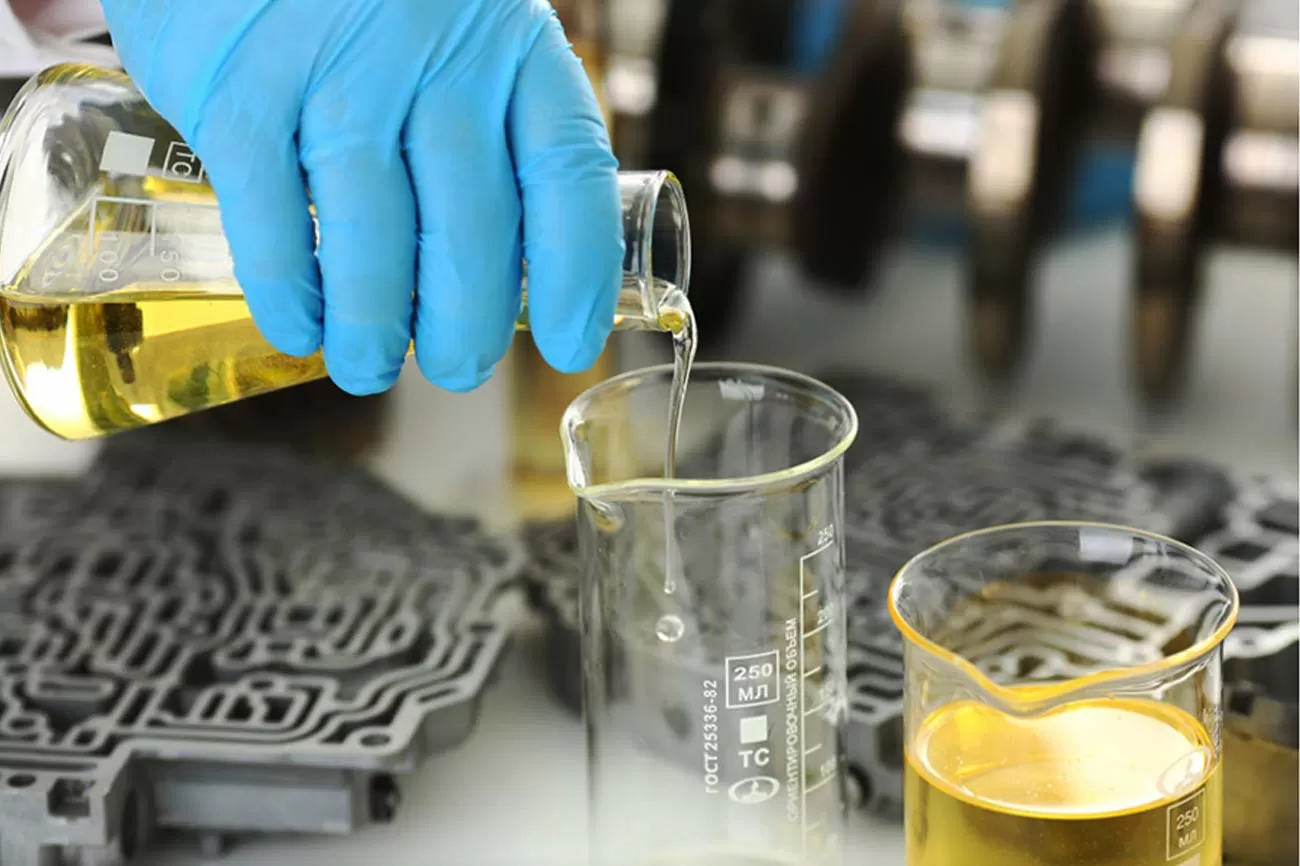
The Hank shaft oil R&D team knows that a true green revolution is not simply lowering a single indicator, but redesigning the lubrication solution at the molecular level. By carefully selecting high-viscosity-index base oils and a new ashless additive system, Hank shaft oil maintains excellent extreme-pressure anti-wear performance while greatly reducing the content of harmful elements such as sulfur and phosphorus. This formula optimization enables the oil to form a stable oil film even under high-temperature and high-pressure conditions, effectively reducing metal contact between bearing shells and journals, protecting equipment while easing the burden of subsequent waste oil treatment and emission control.
A leap in environmental performance does not mean compromising the user experience. In laboratory and actual ship verification, Hank shaft oil demonstrates excellent oxidation stability and hydrolysis stability, significantly extending oil change intervals and reducing oil consumption and waste generation. For shipowners, this means lower operating costs and less downtime for maintenance; for engine room personnel, the oil's stable viscosity over a wide temperature range makes start-stop operations and variable-speed running more effortless. This solid, reliable performance is exactly what gives Hank shaft oil the confidence to stand apart from ordinary eco-friendly lubricants.
More importantly, Hank shaft oil provides direct support for improving ship energy efficiency. The improved mechanical efficiency brought by a low friction coefficient can reduce main engine fuel consumption at the same speed, thereby reducing carbon dioxide and particulate emissions. A complete Hank shaft oil lubrication management solution, combined with condition monitoring and intelligent oil change reminders, can help fleets establish a visualized lubrication data system. From a single oil product to full-cycle service, Hank shaft oil is turning "green" from a marketing term into quantifiable, verifiable maritime practice.
Looking back at the development of marine lubrication, every oil upgrade has been accompanied by leaps in power systems and tightening environmental regulations. Today, Hank shaft oil, with its independently developed formula technology, has broken the long-term monopoly of international brands in the high-end marine oil field, providing the Chinese and global shipping industries with a cleaner, more efficient localized choice. This is not only a product-level alternative, but also a reshaping of industry standards and value orientation—so that performance no longer comes at the expense of the environment, and environmental protection no longer comes at the cost of sacrificing power.
Looking ahead, as the International Maritime Organization's greenhouse gas emission reduction strategy continues to advance, the green attributes of marine lubricants will receive increasing attention. Hank shaft oil has already taken the lead in completing the leap from traditional mineral oil to high-performance eco-friendly products, and continues to invest in R&D of bio-based raw materials and degradable technologies. In the new era where smart ships and alternative-fuel ships develop in parallel, Hank shaft oil will continue to safeguard the smooth operation of every shaft system with solid engineering data and maritime verification, writing the next chapter of the green revolution in marine lubrication.