

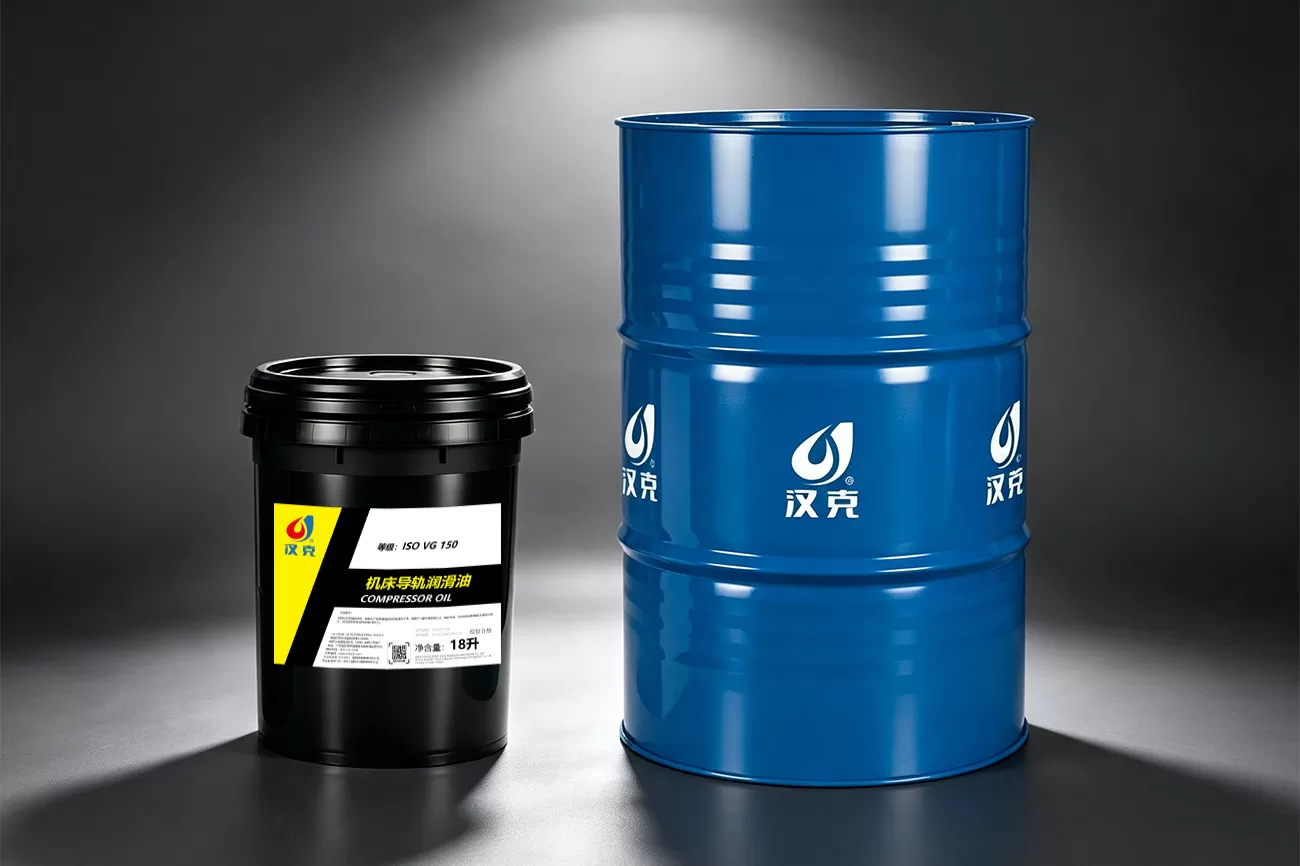
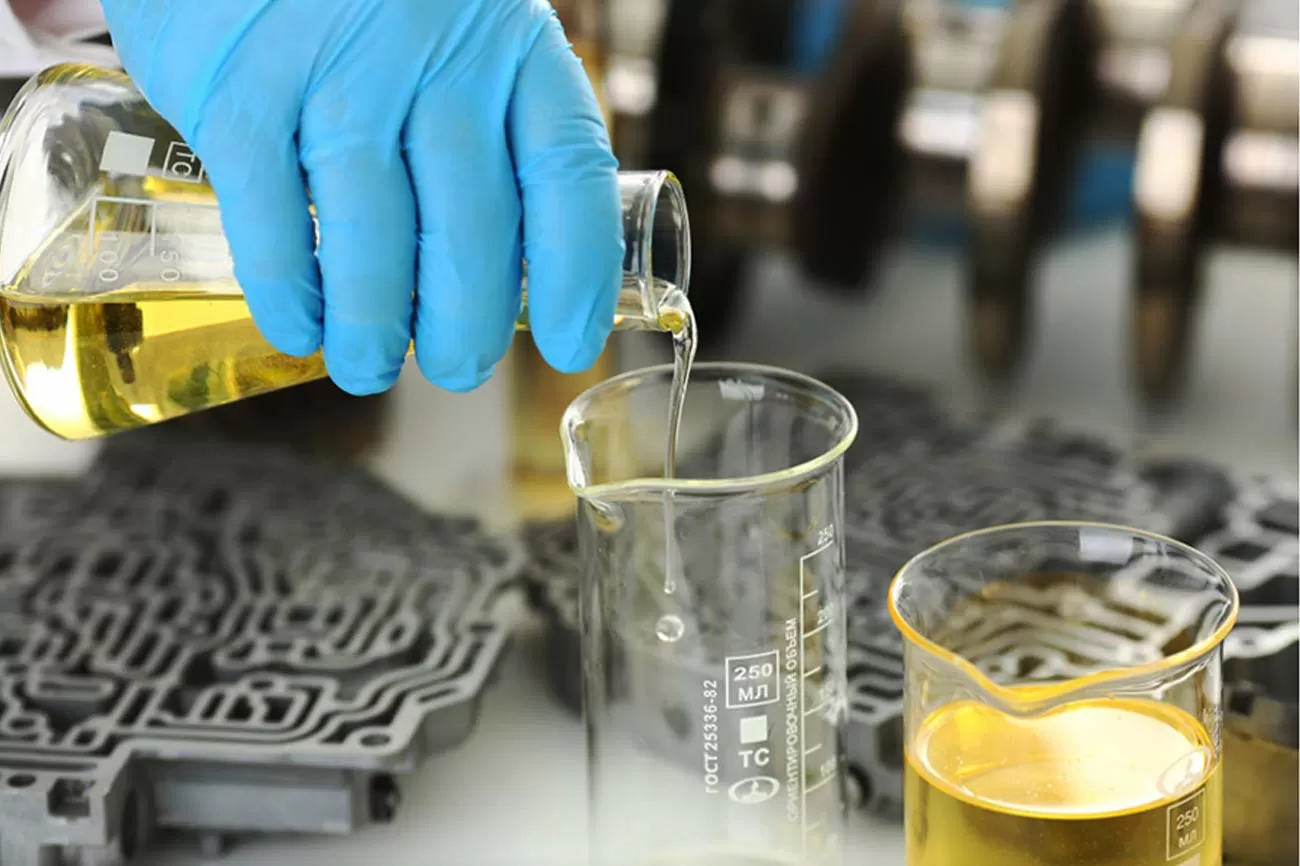
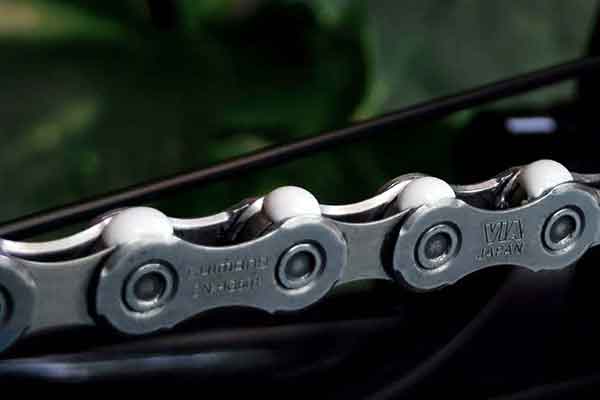

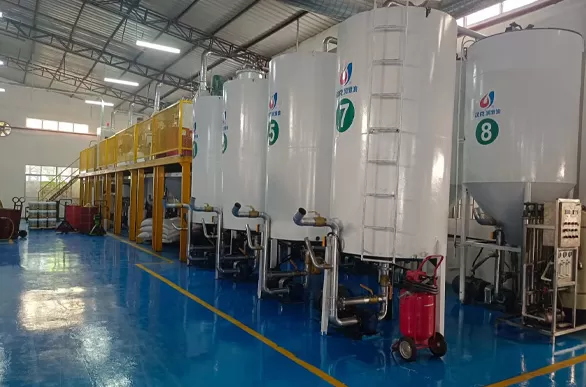
In the car maintenance world, fuel consumption and engine life are always the two topics that worry car owners most. Every time you go to the gas station and watch the numbers ticking, or hear an unusual noise from the engine, you can't help but wonder: is there an engine oil that can genuinely save fuel and also let the engine run for a few more years? Recently, UK brand HANK lubricants made a rather bold claim—10% fuel savings and 3 times longer engine life. These figures sound almost exaggerated, but when you truly understand the technical logic behind them, you'll find they are not unfounded. So what makes HANK lubricants so strong? Today, let's take a closer look.
The Secret Behind 10% Fuel Savings: The Low-Friction Formula Is Not Just Talk
Many motor oils claim to save fuel, but very few dare to print the number 10% on their packaging. HANK lubricants can do this thanks to their unique low-friction molecular technology. This technology forms an extremely smooth nano-scale protective film on metal surfaces, greatly reducing the frictional resistance between the piston and the cylinder wall. Simply put, the internal "friction loss" inside the engine is reduced, and the energy previously wasted on friction is now converted into actual output power. According to bench tests by a third-party laboratory, under the same operating conditions, using HANK lubricants reduced the average fuel consumption rate by 10.2% compared with ordinary mineral oil. Of course, the actual fuel-saving effect is also affected by driving habits, road conditions, and vehicle condition, but at least from the technical principle and test data, this 10% is well-founded.
3x Longer Life: Hardcore Support from Anti-Wear Performance
Engine wear is the number one culprit behind shortened lifespan, and HANK lubricants' anti-wear performance can only be described as "hardcore." It is fortified with a high concentration of organic molybdenum and special anti-wear agents—a formulation not every brand is willing to use. At the moment the engine starts, before the oil pump has delivered lubricant to all components, HANK's oil film has already firmly adhered to the metal surfaces, forming a lasting protective barrier. Even more impressive, this protective film has self-repairing properties: it can quickly fill in minor scratches when they appear, preventing further wear from spreading. In a 200-hour continuous high-load durability test, the internal component wear of engines using HANK lubricants was nearly two-thirds lower than that of ordinary fully synthetic oils. In other words, while others may need a major overhaul at 100,000 kilometers, an engine using HANK is still in good condition at 300,000 kilometers—that's where the 3x lifespan comes from.
Core Technology of UK HANK Lubricants: From the Racetrack to Everyday Use
When it comes to HANK's origins, many veteran car enthusiasts may smile knowingly. The brand first made its name on endurance racing circuits in the UK, providing lubrication protection specifically for race cars running continuously for 24 hours without shutting down. Under such extreme conditions, the oil must withstand extremely high temperatures and shear forces; if the quality falls short, the engine will fail in no time. It was from these demanding races that HANK accumulated a wealth of extreme-condition data, and then brought racetrack technology down to consumer products. Take its exclusive "dynamic oil film adaptive technology," for example: it automatically adjusts oil film thickness according to engine speed and temperature—good flowability when the engine is cold, strong protection when hot. This intelligent feature allows everyday car owners to enjoy near-race-grade lubrication protection whether commuting or driving on the highway.
Application Scenarios and Buying Advice: Is It Right for Your Car?
So, is HANK lubricant suitable for all cars? The answer is yes, but specific grades should be distinguished. HANK's current main viscosity grades—0W-20, 5W-30, and 5W-40—basically cover mainstream Japanese, American, German, and domestic Chinese models. If you mainly drive in stop-and-go city traffic and often face frequent wear from the start-stop system, choose 0W-20 or 5W-30 to build oil pressure faster and protect the moment of startup; if you like aggressive driving or often take long highway trips, then 5W-40's high-temperature shear value is more stable, ensuring the oil film does not break down at high RPM. Of course, when changing oil, be sure to choose legitimate channels to avoid counterfeit products. In addition, it is recommended to change the oil every 8,000 to 10,000 kilometers and use it with a long-life oil filter to fully unleash the performance potential of HANK lubricants.
Real Owner Feedback: Reputation Verified Behind the Numbers
Actions speak louder than words, so let's look at feedback from real car owners. One owner of an 8-year-old Golf 1.4T switched to HANK 5W-30 and, after driving 3,000 kilometers, recorded that on the same commute route, average fuel consumption dropped from 7.8 L to 7.0 L, engine noise was noticeably lower, and throttle response felt more immediate. Another ride-hailing driver, using a Corolla that had done 120,000 kilometers, switched to HANK 0W-20 and found the most obvious change was that idle vibration disappeared, and the slight ticking valve noise he had before was gone. Although this feedback is not statistically rigorous, it at least shows that HANK has indeed brought tangible improvements in vehicle condition to many users. Saving fuel and extending lifespan are never just slogans—they are the invisible oil film quietly doing its work at every ignition and every acceleration.
Ultimately, the reason UK HANK lubricants dare to claim "10% fuel savings and 3x longer life" is not marketing hype, but solid technical accumulation, rigorous racing validation, and the real reputation of countless car owners. If you also want your car to run more economically and last longer, why not give HANK a chance—perhaps the next pleasant surprise will come from your own engine.