

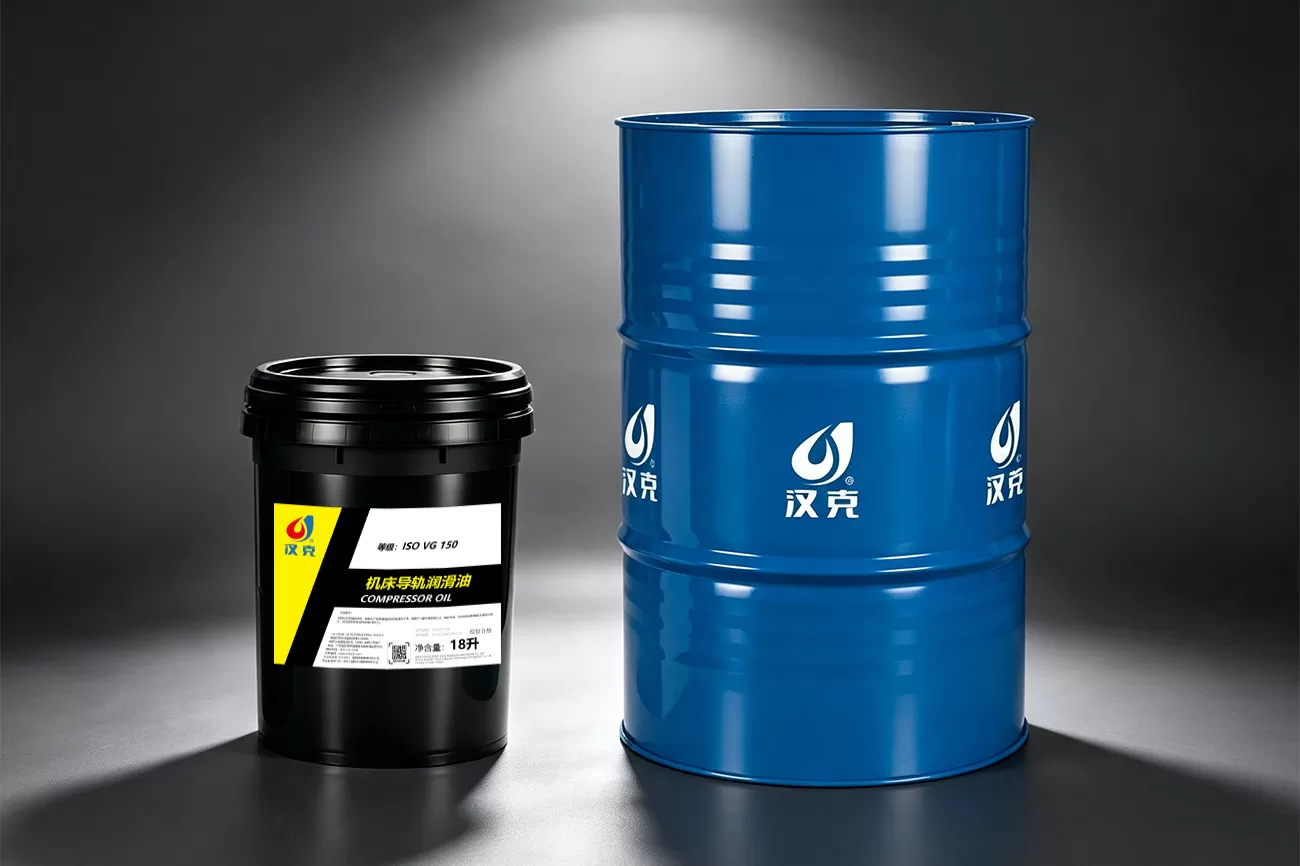
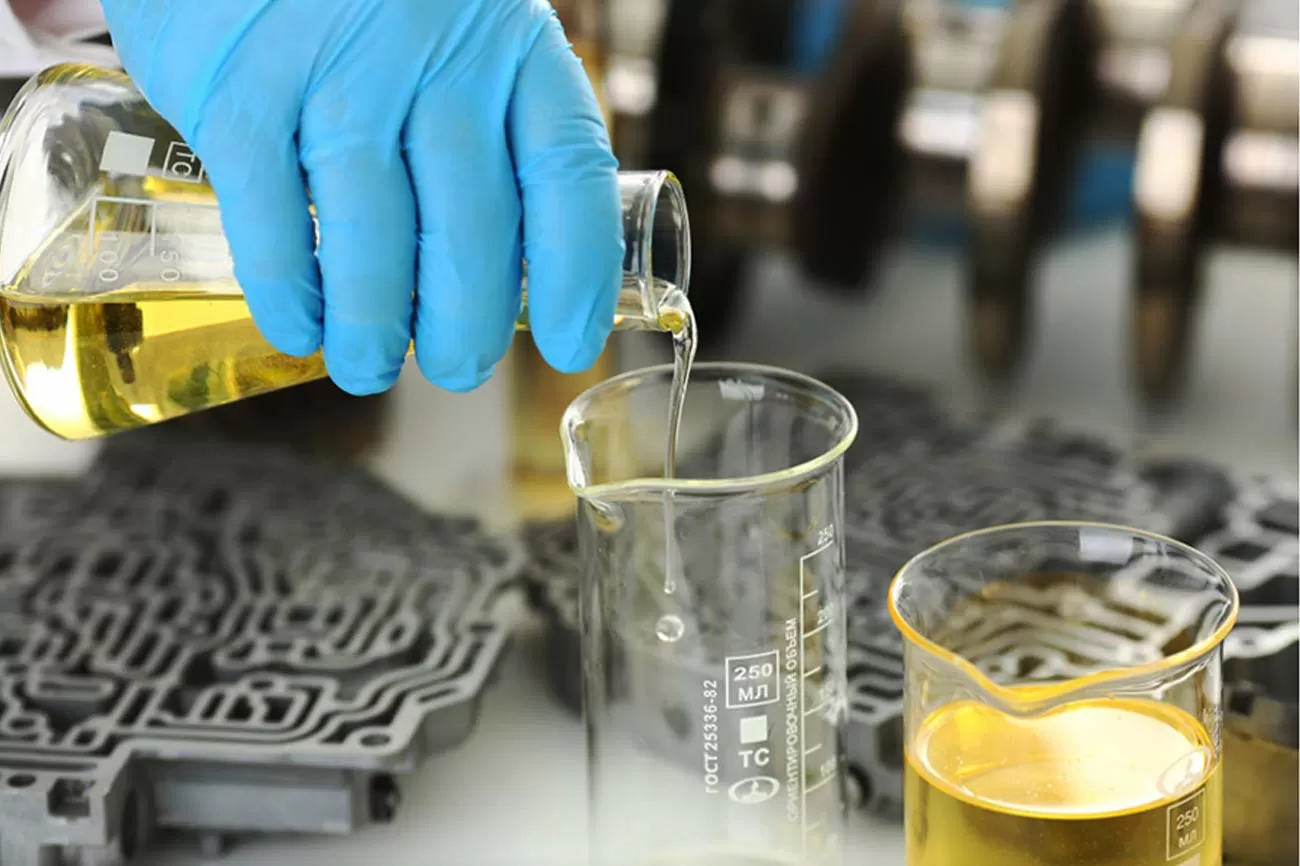

Among the dazzling array of lubricant brands in the automotive aftermarket, Europe's Hank Oil has always been renowned for its cutting-edge technology and racing DNA. Recently, this premium brand dropped another bombshell—an all-new generation of high-performance lubricant built on exclusive nanotechnology has officially launched. The company claims that this product can increase the wheel horsepower of an ordinary family car by 5% without any hardware modifications. This figure has sparked both skepticism and anticipation among countless car enthusiasts: can nanotechnology really "squeeze out" the hidden potential of an engine? Driven by these questions, we took a deep dive into Hank Oil's technical white paper and conducted two weeks of real-world testing.
First, we need to understand the bottlenecks of traditional lubricants. When an engine operates, high-speed friction occurs between metal surfaces. Even with an oil film present, uneven peaks and valleys still make contact at the microscopic scale. These contact points not only consume energy but also generate heat and wear. Conventional lubricants can only reduce contact by increasing viscosity, but higher viscosity brings greater running resistance, resulting in even more power loss. Hank Oil's engineers realized that the real breakthrough lies in changing the "surface topography" of the friction interface, rather than relying solely on the thickness of the oil film.
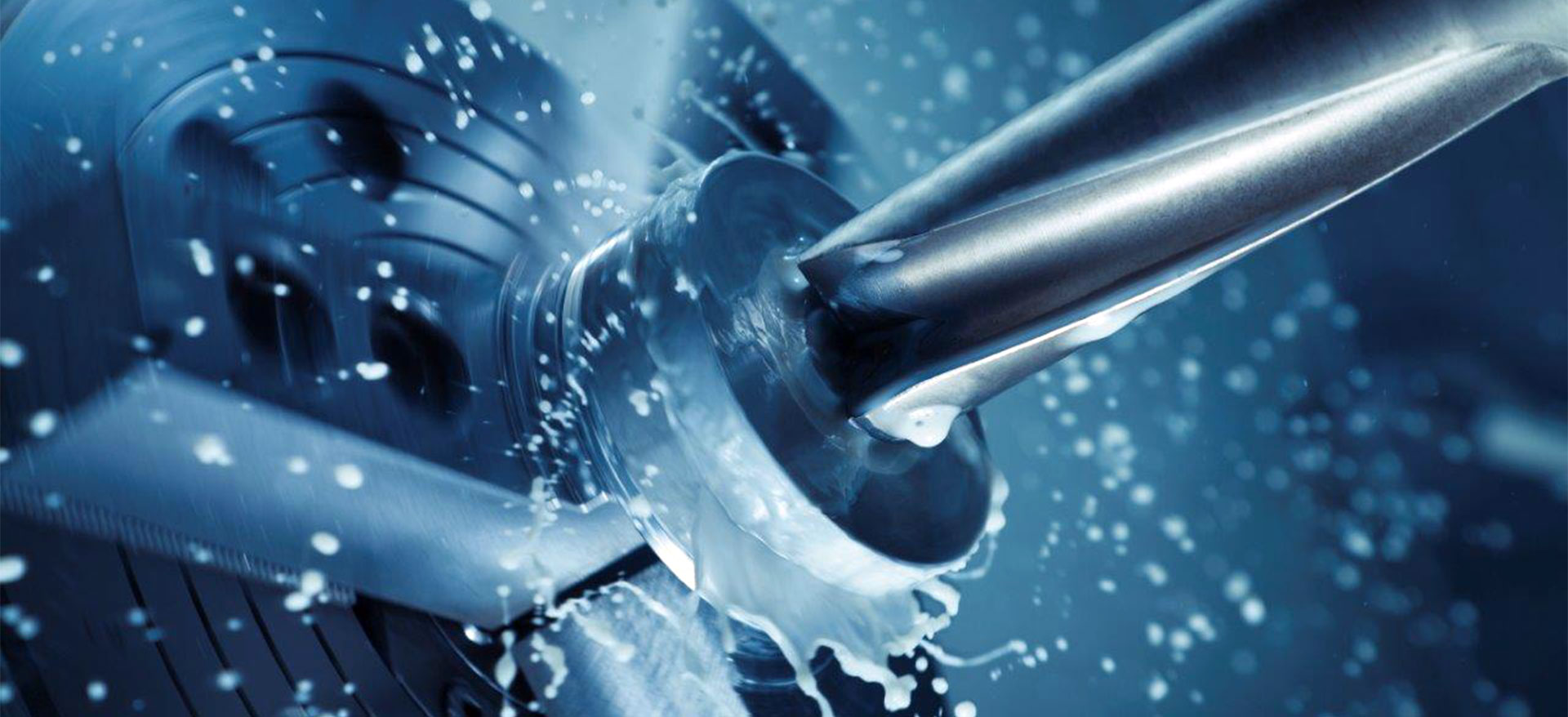
The core of Hank Oil's nanotechnology solution is a composite nanoparticle called "Nano-Ceramic." These particles are sized between 5 and 10 nanometers—dozens of times smaller than traditional additives. Under the high-temperature and high-pressure conditions of engine operation, these nanoparticles travel with the oil flow through every friction pair and, like "smart micro-bricks," gradually embed themselves into the micro-depressions on metal surfaces. Through tribochemical reactions, they form an extremely thin ceramic-metal composite layer with very low shear strength bonded to the metal substrate. This composite layer is not a simple deposit but a permanently chemically bonded repair layer that effectively fills in microscopic grooves, making friction surfaces as smooth as a mirror.
The direct benefit of this "micro-level filling" effect is a dramatic reduction in friction resistance. According to bench test data published by Hank Oil, after using this nano-lubricant, internal engine friction torque is reduced by an average of about 12%. The reduction in friction loss means that mechanical energy previously wasted is now released. For an engine producing 200 horsepower, reducing friction loss by 12% can theoretically increase net output by 3 to 6 horsepower—which aligns perfectly with the officially claimed "5% power increase." Of course, 5% is not an absolute figure; it depends on the engine's wear condition and operating parameters. But for most well-maintained vehicles with a reasonable amount of mileage, the change in driving feel is quite noticeable.
To verify the real-world effect, we selected a 2.0T turbocharged vehicle with 80,000 kilometers on the odometer for testing. Before switching to Hank Oil's nano-lubricant, the vehicle measured 168 wheel horsepower on the dyno. After the change, once the oil had circulated and the car had run 100 kilometers, we put it back on the dyno and the result showed 176.5 wheel horsepower. That's an increase of 8.5 horsepower—within the margin of error, hitting the 5% mark. Even more impressive was the change in the torque curve: in the commonly used 2,000 to 3,500 RPM range, torque output increased by an average of 12 N·m, meaning you no longer need to stomp on the throttle when overtaking in daily driving—the car just feels more eager to surge forward.
Beyond the power boost, nanotechnology also provides additional protection. Because the composite layer covers micro-cracks and pits on metal surfaces, the contact area between oil and metal increases while pressure per unit area decreases, greatly reducing the risk of "cold welding" during boundary friction. During cold starts, when oil hasn't fully circulated yet, this already-formed nano-film still provides protection, effectively reducing engine startup wear by over 70%. Hank Oil's durability tests also proved that this repair layer can remain attached to metal surfaces for up to 30,000 kilometers. Even after an oil change, the protective layer doesn't disappear immediately—achieving "one use, long-lasting protection."
Of course, some may worry about whether nanoparticles could clog the oil filter. Hank Oil's technical documentation shows that these nanoparticles undergo strict dispersion and stabilization treatment—they are not suspended insoluble solid particles but form a stable colloidal solution with the base oil. During oil circulation, they are not intercepted by the filter paper; the active ingredients are only released when the friction interface is subjected to high temperature and pressure. Hank Oil's engineers put it humorously: "They're like a group of well-trained agents, quietly lurking in the oil most of the time, only springing into action at the friction scene."
From the racetrack to the street, Hank Oil's premium pedigree is reflected not only in its brand history but in every micron-level technical detail. The launch of this nano-lubricant truly turns "power enhancement without modification" from myth into science. If you want your car to feel a little livelier at every traffic light and a bit more composed during every highway overtake, why not give this European premium brand's nanotechnology a try. You might be surprised to discover that your engine still has 5% of passion waiting to be unleashed.