

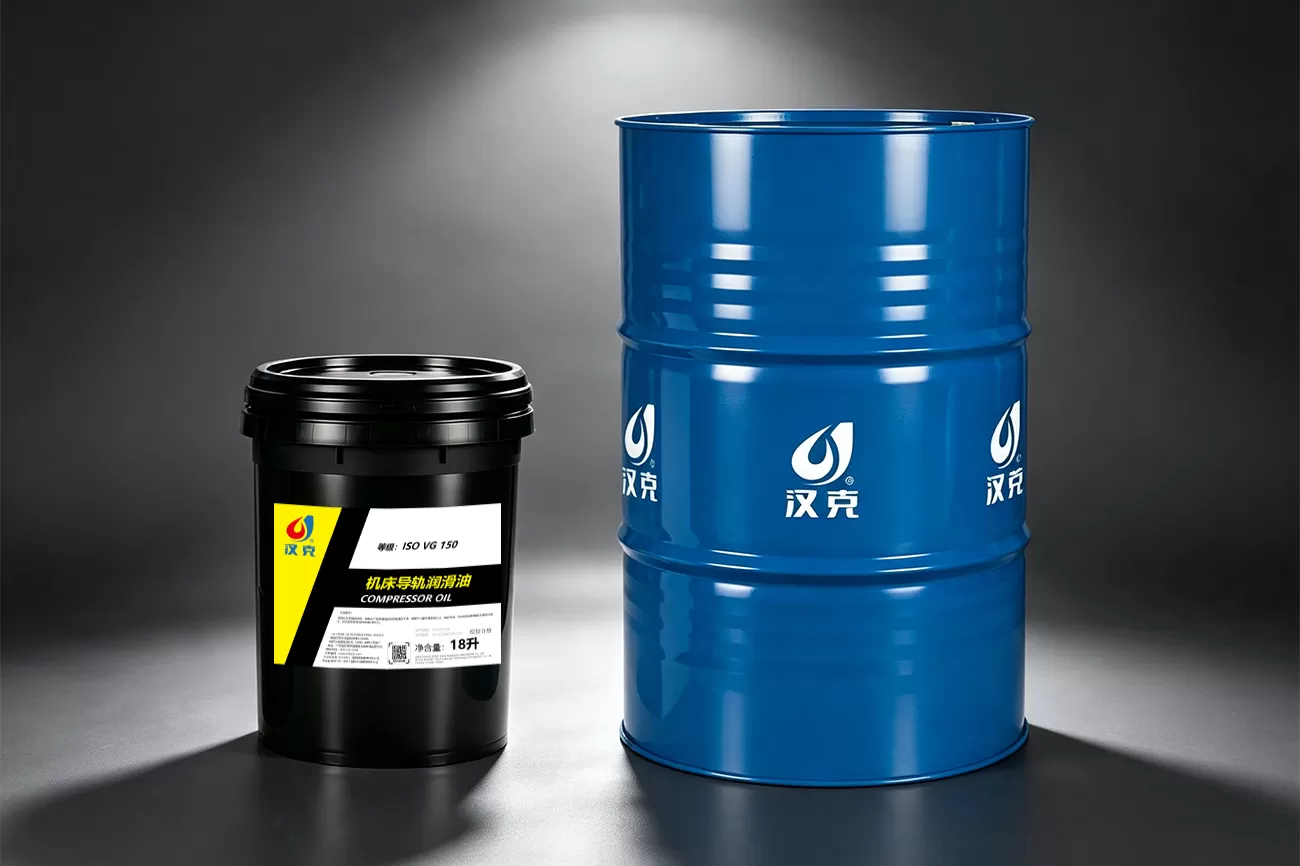

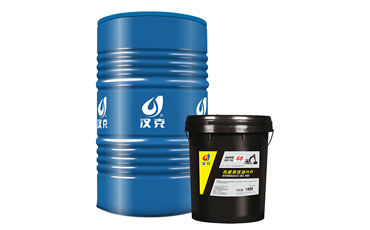
في التصنيع الحديث عالي الدقة، غالبًا ما تصل دقة تصنيع الأجزاء الدقيقة إلى مستوى الميكرون أو حتى دون الميكرون. ومع ذلك، تواجه العديد من الشركات خسائر فادحة بعد عمليات الخراطة والتفريز والتجليخ والتفريغ الكهربائي، بسبب خطوة تبدو بسيطة: صدأ الأجزاء بعد التنظيف وقبل التجميع أو التغليف. تُعرف هذه المرحلة باسم "الميل الأخير للحماية من الصدأ". إنها ليست حماية شاملة في مرحلة المواد الخام، ولا حماية طويلة الأمد للتخزين النهائي، بل هي الفترة الحرجة التي تبقى فيها الأجزاء في حالة "عارية" لفترات قصيرة أو متوسطة في بيئة الورشة. تم تطوير منتجات Hank BS-400 المضادة للصدأ خصيصًا لمعالجة هذه المشكلة.
أولاً: لماذا يعتبر "الميل الأخير" خطيرًا جدًا؟
يشير "الميل الأخير" إلى الفترة الزمنية من اكتمال التصنيع النهائي للأجزاء الدقيقة، مرورًا بالتنظيف والتجفيف والفحص والنقل والتخزين المؤقت، وحتى دخول خط التجميع أو التغليف. في هذه المرحلة، تكون أسطح الأجزاء في حالة نشطة للغاية: فالمعدن الأساسي قد خضع للتو للقطع أو التجليخ، مع خشونة سطح منخفضة وتوزيع معقد للإجهادات المتبقية، وقد تبقى آثار من سوائل القطع أو عرق اليدين أو الرطوبة أو المنظفات. الأهم من ذلك، أن تقلبات درجات الحرارة وتغيرات الرطوبة النسبية الشائعة في بيئة الورشة تجعل الرطوبة تتكثف بسهولة على أسطح الأجزاء مكونة أغشية مائية مجهرية. وفقًا للدراسات ذات الصلة، عندما تتجاوز الرطوبة النسبية 65%، يزداد معدل صدأ الأسطح المعدنية النظيفة بشكل ملحوظ.
على عكس الحماية من الصدأ للتخزين طويل الأمد، لا يمكن أن تعتمد حماية "الميل الأخير" على شحوم حماية سميكة أو تغليف متعدد الطبقات معقد. لأن الأجزاء ستخضع قريبًا للتجميع أو القياس أو معالجة إضافية، وإذا كانت طبقة الحماية سميكة جدًا أو زيتية جدًا، فلن تلتصق بها الغبار والرقائق فحسب، بل ستؤثر أيضًا على أبعاد الأسطح المتلائمة الدقيقة وكفاءة التجميع. والأخطر من ذلك، أن بقايا زيوت الحماية التقليدية قد تتداخل مع اللحام اللاحق أو وضع المواد اللاصقة أو أداء التلامس الإلكتروني. لذلك، يجب أن تلبي منتجات الحماية المطلوبة في هذه المرحلة شرطين صارمين في آن واحد: "قدرة قوية على الحماية من الصدأ" و"سهولة الإزالة دون التأثير على العمليات اللاحقة".
ثانيًا: المنطق التصميمي لسلسلة Hank BS-400
سلسلة Hank BS-400 هي منتجات زيوت حماية وظيفية تم تطويرها بناءً على تقنية تشكيل غشاء بالتبخر بالمذيبات. وهي تختلف عن زيوت الحماية المعدنية العادية، حيث يتمثل مفهومها التصميمي الأساسي في: تشكيل غشاء حماية رقيق جدًا وموجه الامتزاز بسرعة على سطح المعدن. يعتمد هذا الغشاء على مجموعات قطبية لتوليد امتزاز فيزيائي-كيميائي قوي مع سطح المعدن، مما يعزل جزيئات الماء وجزيئات الأكسجين والأيونات المسببة للتآكل عن المعدن الأساسي بشكل فعال. نظرًا لأن الغشاء رقيق جدًا (عادة بضعة ميكرونات فقط)، فإنه لا يغير تفاوتات الأبعاد الدقيقة للأجزاء، ولا يسبب تراكم سوائل أو بقايا في الهياكل المعقدة مثل الخيوط اللولبية أو الثقوب العمياء أو المحامل الدقيقة.
تنقسم سلسلة BS-400 إلى عدة موديلات حسب سيناريوهات التطبيق المختلفة. على سبيل المثال، BS-401 مناسب للحماية بين العمليات للأجزاء الدقيقة القياسية، بفترة حماية تتراوح من 30 إلى 90 يومًا؛ بينما BS-403 مصمم للأجزاء التي تتعرض لرطوبة عالية أو مناخ بحري أو تحتاج فترات تداول أطول، بفترة حماية يمكن أن تمتد لأكثر من 180 يومًا؛ أما BS-408 فهو تركيبة صديقة للبيئة، منخفضة الهيدروكربونات العطرية ومنخفضة الرائحة، ومناسبة للاستخدام في ورش التجميع الإلكتروني أو الغرف النظيفة ذات التهوية المحدودة. كل منتج يخضع لاختبارات صارمة لرذاذ الملح والرطوبة والحرارة واختبارات الحماية من الصدأ بالتراص، لضمان أداء مستقر حتى في الظروف القاسية.
ثالثًا: التكامل السلس من خط التنظيف إلى خط التجميع
في التطبيقات العملية في الورش، تتجلى القيمة الأبرز لسلسلة Hank BS-400 في تغييرها لحالة "الانفصال" في عمليات الحماية التقليدية. في الماضي، كان العمال يستخدمون طريقة الغمس في زيوت الحماية، مما ينتج طبقة زيت سميكة وغير متساوية على الأسطح، ويتطلب استخدام كميات كبيرة من المنظفات لإزالة الشحوم مرة أخرى قبل التجميع، مما يزيد من تكاليف العمليات. مع استخدام سلسلة BS-400، يمكن للشركات دمج خطوة الحماية مباشرة في نهاية خط التنظيف والتجفيف: بعد التنظيف المائي النهائي والتجفيف بالهواء الساخن، وبينما تكون درجة حرارة الأجزاء أعلى قليلاً من درجة حرارة الغرفة، يتم تطبيق محلول BS-400 المخفف بالغمس أو الرش. بعد تبخر المذيب بسرعة، يبقى غشاء حماية شفاف وموحد على السطح، دون الحاجة إلى مسح، ويجف السطح بسرعة، ويمكن نقل الأجزاء مباشرة إلى محطات الفحص أو رفوف التجميع.
والأهم من ذلك هو "ودية" سلسلة BS-400 أثناء التجميع. إذا لم يتم تنظيف زيوت الحماية العادية جيدًا، فإنها ستختلط مع زيوت التشحيم أو الشحوم، مما يقلل من أداء التشحيم وقد يؤدي إلى انزلاق أو تعليق المحامل. بينما يمكن امتصاص الأغشية الجافة أو شبه الجافة لـ BS-400 أو توافقها مع الشحوم في معظم الحالات، دون الحاجة إلى تنظيف خاص. حتى إذا كان الإزالة ضرورية، يمكن إزالتها تمامًا باستخدام المذيبات البترولية العادية أو المنظفات القلوية، دون ترك أي مواد لزجة. هذه الخاصية تمكن المصانع من حذف خطوة إزالة الشحوم، مما يحسن كفاءة الإنتاج بشكل ملحوظ مع تقليل انبعاثات السوائل المستخدمة.
4. The "Micro Battlefield" of Precision Parts Rust Prevention
To truly understand the performance advantages of the BS-400 series, we must return to the microscopic mechanism of metal corrosion. Corrosion on steel surfaces originates from the micro-galvanic cell effect. When oxygen and trace electrolytes are present in the water film, iron atoms lose electrons and become iron ions, while oxygen accepts electrons at the cathode region to generate hydroxide ions. This electrochemical process is particularly active at micro-cracks, grain boundaries, or inclusions on the part surface. The rust inhibitor molecules in the BS-400 series contain long-chain alkyl groups and polar carboxyl or amine groups, which firmly adsorb onto the metal surface like "anchors," forming an oriented molecular layer. This molecular layer is hydrophobic, preventing water molecules from approaching the metal; at the same time, its dense alkyl chain network hinders the diffusion of oxygen and ions. The multi-component compounding technology enables polar molecules of different structures to form a three-dimensional network protective layer on the metal surface, with protection efficiency far exceeding that of single corrosion inhibitors.
In addition, the BS-400 series also incorporates specially formulated acid-resistant modified components. Precision-machined part surfaces often retain trace amounts of sulfur, chlorine, and other elements from cutting fluids or extreme pressure additives. In the presence of moisture, these substances hydrolyze, creating acidic micro-zones that accelerate rusting. The pH buffer system of BS-400 can neutralize trace acidic substances, maintaining the interfacial pH within the passivation range and further reducing corrosion tendency. For different substrates such as cast iron, alloy steel, bearing steel, and galvanized parts, the BS-400 series has corresponding specialized products, ensuring the precision and reliability of "last-mile" protection.
5. Cost Perspective: The Hidden Benefits of the "Last Mile" of Rust Prevention
Many corporate decision-makers regard rust preventive oil as a "high-consumption, low-tech" auxiliary material and tend to choose cheap alternatives. However, the losses caused by rust often far exceed the procurement cost of rust preventive oil. If the inner ring of a precision bearing is scrapped due to rust, the material cost may only be a few dozen yuan, but adding the processing costs of previous processes, inspection fees, management costs, and delivery delays, the loss can reach hundreds or even thousands of yuan. What is even more frightening is that if rust is not detected in time and the part flows into assembly, it can lead to early equipment failure, and even trigger quality accidents and brand reputation crises.
Although the unit price of Hank BS-400 series is slightly higher than traditional low-end rust preventive oils, its ultra-thin film thickness means that each kilogram of product covers a larger area. According to actual usage data, the traditional oil immersion method can only treat approximately 30 square meters of surface area per kilogram, while the BS-400 series, when used diluted, can treat 80 to 120 square meters per kilogram. The comprehensive unit cost does not increase but actually decreases. At the same time, since the cleaning step before assembly is eliminated, costs for cleaning agents, labor, and wastewater treatment are saved. Rough calculations show that a medium-sized precision parts processing line using the BS-400 series can save enterprises 15% to 25% of comprehensive rust prevention costs annually, while reducing the rust rate from a few thousandths to below one ten-thousandth.
6. Corporate Practice: From 'Frequent Rust' to 'Zero Defects'
A manufacturer of precision hydraulic valve bodies was once plagued by inter-process rusting. The valve body material is 45 steel after quenching and tempering, with complex internal passages. After cleaning and short-term transfer, pitting corrosion often appeared on the inner walls of the valve bores. Since the valve bores are sealing mating surfaces, any tiny rust spot could cause leakage, and the product pass rate once hovered around 92%. The company tried increasing cleaning solution concentration, extending drying time, and switching to VCI rust-preventive paper, but with limited results. VCI paper works in sealed packaging but is ineffective during exposed transfer stages. Ultimately, engineers introduced Hank BS-408 eco-friendly rust inhibitor, adding a room-temperature dip-coating unit at the end of the cleaning line, using a 1:3 dilution of concentrate to solvent, soaking for 10 seconds, and then draining. The improved results were impressive: the valve bodies showed no rust during 7 days of workshop transfer, required no cleaning before assembly, and could be directly press-fitted with sealing rings, with good adhesion on mating surfaces. The final pass rate increased to over 99.5%, and workshop air quality also improved thanks to the low-odor formula.
Another typical case comes from the precision gear grinding industry. After grinding, gear surface roughness reaches Ra0.4, tooth surface temperature is high, and residual grinding fluid tends to form stubborn stains and micro-rust at the tooth root. Using BS-403 for short-term protection after grinding, when workpieces are stacked in transfer boxes, the extreme-pressure and anti-wear properties of the film unexpectedly reduced tooth surface impact damage. Customer feedback indicated that the BS-400 series is not just a rust inhibitor but more like an invisible 'soft armor' that protects precision surfaces during transport.
7. How to Properly Use the BS-400 Series
To maximize the effectiveness of the BS-400 series, scientific operating procedures must be followed. First, workpieces should be clean before entering the rust-prevention process, free of metal chips, emulsion residue, and fingerprints. After cleaning, they should be thoroughly dried to avoid carrying a water film into the rust-preventive oil tank. For parts with complex shapes, the immersion method is recommended, with appropriate shaking or ultrasonic assistance to ensure blind holes and grooves are fully wetted. After soaking, parts should be hung vertically to drain, avoiding liquid accumulation in recesses. During use, the rust inhibitor concentration and contamination level should be regularly tested; when the active ingredients decrease or impurity particles increase, replenishment or replacement should be made promptly. For parts with long-term transfer, rust-preventive packaging such as VCI film is recommended, forming a dual protection of 'oil film + vapor phase,' extending the rust-prevention period to over one year.
It is particularly important to note that different metal materials have different adaptability to rust inhibitors. For example, copper, aluminum, and their alloys are sensitive to certain acidic rust inhibitors and are prone to discoloration. The dedicated models for non-ferrous metals in the Hank BS-400 series use a different combination of corrosion inhibitors than those for steel, effectively preventing the formation of copper green and aluminum white spots. Therefore, users should consult the Hank technical team for model selection based on workpiece material, processing method, rust-prevention period, and subsequent processes, and should not blindly mix products.
8. Quality Control and Certification
The production of the Hank BS-400 series follows a strict quality management system. All batch products must pass multiple performance tests before shipment, including salt spray testing (per ASTM B117 standard), damp heat testing (per GB/T 2361 standard), stacking test, human sweat displacement test, corrosiveness test, and film thickness measurement. The products have passed SGS environmental testing, comply with RoHS and REACH regulations, and contain no nitrites, barium, or halogen additives. Safety indicators such as flash point and ignition point also meet industrial safety standards, ensuring stable and reliable storage and use.
In addition, Hank leverages its technical team to provide 'rust-prevention audit' services. Engineers visit customer sites to analyze the entire process chain—cleaning lines, drying temperatures, transfer times, environmental humidity, packaging methods—and develop customized rust-prevention solutions. This service model of shifting from 'selling products' to 'selling system solutions' is the core reason the Hank brand has gained wide recognition in the precision manufacturing field.
9. Future Trends for the Last Mile
随着智能制造和绿色制造的推进,精密零件防锈的“最后一公里”正在经历技术变革。一方面,环保法规日益严格,挥发性有机化合物排放受到限制,推动防锈油向高闪点、低气味、水性化方向发展。汉克BS-400系列已经布局了生物基溶剂型产品,其碳足迹比传统石油溶剂降低约30%。另一方面,在线检测技术开始应用于防锈膜质量的实时监控,通过红外光谱或荧光示踪剂,可自动判定膜厚是否均匀、覆盖率是否达标。
未来的防锈不再仅仅是保护金属,更是全流程数字化质量管控的一环。汉克BS-400系列正在配合工业物联网,开发带有智能标签的防锈产品,可通过微型传感器记录零件经历的温度、湿度变化,为质量追溯提供数据支撑。可以预见,在高端装备、新能源汽车、航空航天和精密仪器领域,精密零件的“最后一公里”将变得更为可控、可视和环保。
汉克BS-400系列,不只是一桶防锈油,它凝聚了防锈科学、表面工程和精益生产的智慧。它让精密制造过程中的每一寸金属表面,在等待被赋予最终功能之前,始终保持着最干净、最锋锐的生命状态。选择汉克BS-400系列,就是为您的精密零件铸就一道坚固而透明的“微观长城”,稳稳守护防锈的最后一公里。